The Fugees released The Score on February 13, 1996, and thirty years on it remains the best selling album ever made by a hip hop group. This Fugees The Score album revisit traces how a trio given one last chance built a record that sold an estimated 22 million copies worldwide.
The starting point was failure. The group’s first album, Blunted on Reality, had underperformed critically and commercially, and most acts in that position in 1996 did not get a second record at all. Ruffhouse Records head Chris Schwartz gave them one anyway, a 135,000 dollar advance and complete artistic control. Lauryn Hill, Wyclef Jean and Pras Michel spent it on recording equipment and built a studio in Wyclef’s uncle’s basement, which they called the Booga Basement, and made the album on their own terms.
How the Fugees The Score album took over 1996
The Score climbed to number one on the Billboard 200, holding the top spot for four weeks, and topped the Top R&B and Hip Hop Albums chart on its way to becoming the third best selling album of 1996 in the United States. The singles did the travelling. Fu-Gee-La arrived first, in January 1996, reintroducing the group as a warmer, more musical unit, with Salaam Remi remix sensibility helping polish the record for radio without sanding off its edges.
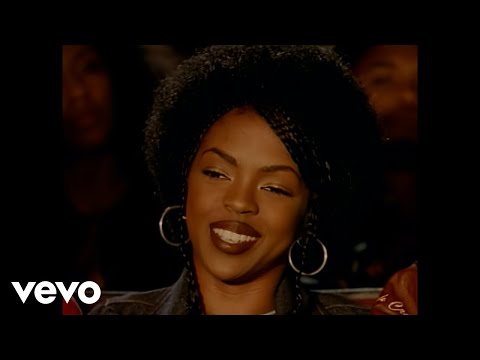
Then Killing Me Softly changed everything. Hill’s voice over that slow, heavy groove turned a Roberta Flack standard into the group’s signature record, a number one in twenty countries and a five week run atop the UK Singles Chart. In the United States it ruled airplay charts even though the era single rules kept it off the Hot 100, a chart quirk that only underlines how completely the song owned that summer. Ready or Not followed it to number one in the UK, built around an eerie Enya sample, and the group own version of No Woman, No Cry carried the album’s reggae thread to its close.
Grammys, certifications and the record books
At the 39th Grammy Awards, The Score won Best Rap Album, and Killing Me Softly won Best R&B Performance by a Duo or Group with Vocal. The album was also nominated for Album of the Year, only the second rap album ever nominated in that category and the first by a hip hop group, a marker of how far outside the genre’s usual boundaries the record had travelled. The Source placed it on its list of the 100 greatest rap albums, and the retrospective honours kept coming: the Rock and Roll Hall of Fame named it among its 200 Definitive Albums, and Rolling Stone ranked it number 134 on the revised 500 Greatest Albums of All Time list in 2020.
The sales matched the praise. The Score has been certified seven times platinum by the RIAA, earned a Diamond certification in France, where it is the best selling album by an American hip hop act, and passed an estimated 22 million copies worldwide. At the time of its release it briefly stood as the best selling hip hop album of all time, and three decades later it remains the best selling album by a hip hop group, full stop.
Three voices, one record
What holds up best is the balance. Thirteen tracks move between street level rapping on How Many Mics and Zealots, storytelling on The Mask, crew energy on Cowboys with the Outsidaz and Family Business with John Forté, and Hill singing that could carry any genre she pointed it at. Wyclef production, built with Jerry Duplessis in that basement, blends rap, soul, reggae and Caribbean music without ever sounding like a compromise between them.
The group name itself, a play on refugees, carried the Haitian roots Hill, Wyclef and Pras brought into American rap, and The Score turned that identity into a global language. The solo chapters that followed, most of all Hill carrying her voice into The Miseducation of Lauryn Hill two years later, only raised the album standing further. Every reunion rumour since has really been a rumour about this record, the one moment where the three voices, the basement production and the songwriting all peaked together.
Thirty years after the Booga Basement sessions, the Fugees The Score album still sounds like a group with everything to prove and the talent to prove it. It was a comeback record, a commercial peak and a creative peak at the same time, and very few albums in any genre manage all three. That is why it keeps getting revisited, and why it will keep its place.