The Sugarhill Gang released their second studio album, 8th Wonder, on November 24, 1981, forty five years ago today. The Sugar Hill Records album carried Apache, the record that outlived every chart position it ever posted.
Context matters here. In late 1981, rap was still proving it belonged on albums at all. The trio from Englewood, New Jersey, Wonder Mike, Big Bank Hank and Master Gee, had already made history with Rapper’s Delight, the first rap single to reach the Billboard Hot 100 top 40. 8th Wonder was the follow up that had to show the first one was not an accident.
Join The iimiTV Letter
Enter your email and we will send you a confirmation link. Click it and your first edition lands on Friday.
Sugarhill Gang 8th Wonder And The Album Problem
As the anniversary history at Blackout Hip Hop lays out, the album refined the live band formula of the group’s debut into a tighter, punchier party sound built for club floors and roller rinks. It peaked at number 50 on the Billboard 200 and number 15 on the Top R&B/Hip-Hop Albums chart in early 1982, solid numbers for a genre the industry still treated as a singles novelty. The title track had arrived a year earlier, in 1980, backed with Sugar Hill Groove, and the group performed 8th Wonder on Soul Train in 1981, taking rap onto national television in the album era’s first chapter.
Apache, The Break That Became A Standard
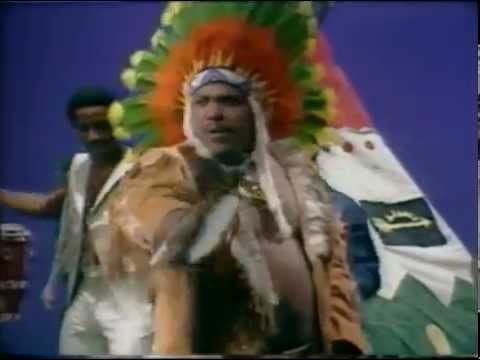
The album’s centrepiece is Apache. The song began as a Jerry Lordan instrumental in the late 1950s, was popularised by The Shadows and Jorgen Ingmann, and was rebuilt in 1973 by Michael Viner’s Incredible Bongo Band, whose percussion break, played by drummer Jim Gordon, became one of the foundational breaks in hip hop, often called the genre’s national anthem. The Sugarhill Gang layered Western imagery and the Jump On It chant over that break. The single reached number 53 on the Billboard Hot 100, number 13 on the R&B chart and number 51 on the Dance chart in 1982. Master Gee later explained where the record’s imagery came from:
Mike and I grew up in the era of watching The Lone Ranger on TV in the afternoons and it just all came out when we heard that Apache breakbeat.
The chart peak undersells it. Apache became a permanent piece of the culture, revived for new generations by television, film and dance floors, and it remains the track most listeners reach for first from this album, forty five years later.
The Group Sylvia Robinson Built
The Sugarhill Gang were assembled in 1979 by producer Sylvia Robinson, who founded Sugar Hill Records with her husband Joe Robinson and named both the label and the group after Harlem’s Sugar Hill neighbourhood, as Britannica records. Wonder Mike has recalled that his place in the group came from speaking up at the audition, telling Robinson he could rap too, and then rhyming about everything in the room until she built the record around the three voices. The album also carried Showdown, a collaboration with labelmates the Furious Five, a reminder that Sugar Hill Records was, for a brief window, the centre of rap’s first commercial universe.
Why 8th Wonder Still Matters
Two more albums followed, Rappin’ Down Town in 1983 and Livin’ in the Fast Lane in 1984, before the group wound down in the mid 1980s. But 8th Wonder holds a specific place in the timeline. It is proof, pressed in 1981, that rap artists could carry a full album, place it on the Billboard 200, and leave a song behind that DJs would still be cutting up four decades later. Forty five years on from November 24, 1981, that is not nostalgia. That is foundation.