Rihanna released Work, featuring Drake, on January 27, 2016, as the lead single from Anti, and both official videos premiered on February 22, 2016. The rihanna drake work video toronto real jerk connection is what makes the first video a hometown document: Toronto director Director X filmed it inside The Real Jerk, a Caribbean restaurant in the city’s Riverdale neighbourhood.
Filming took place on February 5, 2016. The first video is a full dancehall party inside the restaurant, with Rihanna’s friends on the bar and dancers who had also appeared in her Pon de Replay video eleven years earlier, which Director X also directed. The second video, directed by Tim Erem, is the opposite: one pink lit room, Rihanna and Drake alone, shot in a single continuous style.
Watch The Video
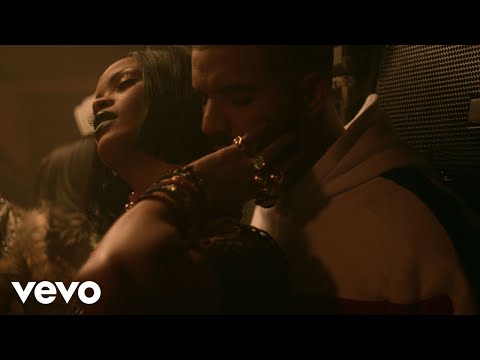
Both versions play back to back in the official upload, running about seven and a half minutes in total, so viewers get the community version and the intimate version of the same song in one sitting.
Why The Real Jerk, Specifically
Director X explained the location choice to The FADER the day after the premiere:
“Well we needed a place that was meant to be a party, that felt very West Indian.”
Director X, speaking to The FADER, February 2016
He described how every West Indian community has a restaurant that at night becomes a place to dance, not quite a nightclub and more than a restaurant, and how the crew worked from what was already there: the corrugated metal walls, the colours in the windows and the bamboo were the restaurant’s own, expanded rather than replaced. That is why the video looks like a real Toronto Caribbean spot on its best night, because in large part it was one.
A Toronto Song In Everything But Name
The credits deepen the local story. Work was produced by Toronto’s Boi-1da, with additional production from Noah 40 Shebib, and co-written by Jahron Brathwaite, better known as PARTYNEXTDOOR, alongside Rihanna, Drake, Monte Moir, Rupert Thomas and Allen Ritter. Its dancehall and reggae pulse, built on an interpolation of If You Were Here Tonight by Alexander O’Neal, made it the first dancehall song to top the Hot 100 since Sean Paul’s Temperature a decade earlier.
The song spent nine weeks at No. 1 on the Billboard Hot 100 and also topped the chart in Canada. It was Rihanna’s fourteenth No. 1 single, moving her past Michael Jackson’s total at the time, and Drake’s second. Work was later nominated for Record of the Year and Best Pop Duo/Group Performance at the Grammy Awards.
More Drake on iimiTV in Drake Wins Fifth Straight SOCAN Honour and another era defining visual in Beyonce Formation.
The choreography had its own Toronto and Caribbean lineage. Dancehall choreographer Tanisha Scott, who had worked with Director X on Sean Paul’s Get Busy era, shaped the movement in the Real Jerk half, and dancers in the video later described an open call for dancehall dancers only, with the on set playlist running the latest Vybz Kartel and Alkaline between takes. Rihanna performed Work live at the Brit Awards and the MTV Video Music Awards in 2016 and carried it through the Anti World Tour, but the performances never replaced the Real Jerk footage as the song’s defining image, a rare case of a restaurant interior outlasting arena staging.
Anti itself arrived the same week as the single in January 2016, an album rollout with almost no traditional lead time, and Work carried the entire first impression almost alone. That it did so in Barbadian and Jamaican creole phrasing, on a Boi-1da beat, made the No. 1 run a genuinely Toronto and Caribbean story at the centre of global pop.
Two Videos, One Argument
The double release was the concept: the same performance of closeness, shown first as culture and then as chemistry. The Real Jerk half says this music belongs to a place and a community; the pink room half strips everything away until only the two performers remain. Most lead singles get one video and one idea. Work shipped with two of each.
Revisited now, the Toronto half has only grown in local stature. A global No. 1 single chose a neighbourhood Caribbean restaurant over a soundstage, kept its decor, cast its community, and let the city’s West Indian roots carry the visual for the biggest dancehall hit of its decade.