Jay-Z released his thirteenth studio album 4:44 on June 30, 2017, and the animated video for The Story of O.J. premiered on YouTube on July 5, 2017, after a short run as a streaming exclusive. The jay-z story of oj video animation meaning question is built into its style: a then new song delivered in the visual language of 1930s cartoons.
The video was directed by Mark Romanek and Jay-Z, with animation by Titmouse, and its lead character is Jaybo, a figure drawn in the style of the caricatures that early American animation used and that later generations pulled from circulation. Rolling Stone named it the best music video of 2017 and later placed it at No. 35 on its list of the 150 greatest hip hop videos of all time.
Watch The Video
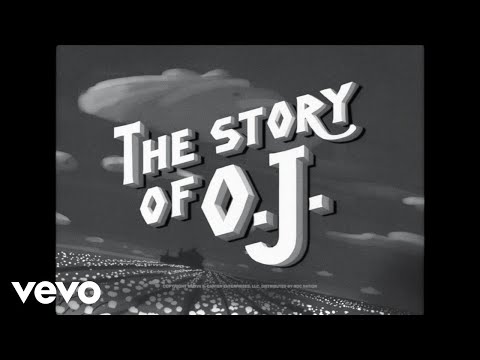
Jaybo moves through a cartoon America of cotton fields, auctions, segregated buses and football stadiums while the song plays underneath, calm and conversational. The cheerfulness of the drawing style never matches the subject, and that mismatch is deliberate from the first frame to the last.
A Song About Having A Plan
Jay-Z explained the song himself in his iHeartRadio commentary on the album, recorded at release:
“‘The Story of O.J.’ is really a song about we as a culture, having a plan, how we’re gonna push this forward.”
Jay-Z, in his iHeartRadio commentary on 4:44, June 2017
He went on to describe the cycle of artists making money and losing it, and the harder task of turning success into something bigger. The verses give that plan in plain terms: credit, property, art, and ownership, set against the story of a famous athlete who believed fame placed him outside the rules that applied to everyone else.
The Nina Simone Sample And The Sound
The track was produced by No I.D. with Jay-Z as co-producer, and it is built on a sample of Four Women by Nina Simone, who is credited as a songwriter. Simone’s piano and voice give the song its weight: a 1966 composition about identity, looping under a 2017 lesson about money and self worth. The song peaked at No. 23 on the Billboard Hot 100, a strong showing for an album track with no radio single push.
At the 60th Grammy Awards, The Story of O.J. received three nominations: Record of the Year, Best Rap Song and Best Music Video. The video nomination recognised what the year end lists already had: the animation was not decoration, it was the argument, showing how old images still shape new rooms.
Related listening on iimiTV includes the Kanye West deep cut in Kanye West 30 Hours and the Beyonce visual landmark in Beyonce Formation.
The verses reward a closer listen, because the plan Jay-Z describes is itemised rather than vague. He contrasts money held up for photographs with money put to work, praises credit over cash displays, and tells a story against himself: a building in the DUMBO neighbourhood of Brooklyn he could have bought for around two million dollars, worth twenty five million by the time of the song, with the punchline aimed at his younger self. It is financial advice delivered as autobiography, which is why the track travelled so far beyond rap audiences into business pages and personal finance coverage.
The album frame adds weight as well. 4:44 entered the Billboard 200 at No. 1 and went on to receive Grammy nominations for Album of the Year and Best Rap Album, with The Story of O.J. as its second track and its first official video. Romanek, who had directed Jay-Z’s 99 Problems video more than a decade earlier, returned to build a visual that no other song on the album could have carried, and Rolling Stone placing it at No. 35 on its all time hip hop video list in 2023 shows the clip kept its standing long after the release cycle ended.
Why Animation Was The Right Weapon
A live action video would have illustrated the lyrics. The cartoon format does something sharper: it puts the entertainment industry’s own history on screen, in its own house style, while a song about ownership plays over it. Jaybo grins through scenes no grinning character should be in, and the viewer has to sit with why that image feels familiar.
Revisited now, The Story of O.J. video is the centrepiece of the 4:44 visual campaign and one of the most discussed animated music videos ever made: four minutes long, drawn like a relic, and aimed squarely at the present.